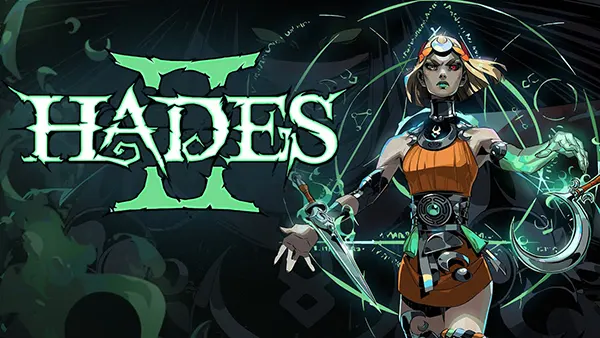
Hades II: Did It Live Up to the Expectations After the First Game?
When Supergiant Games announced Hades II, it wasn’t entering a quiet market or a forgiving genre. The first Hades became a reference point for action roguelites thanks to fast combat, clean progression, and storytelling that adapted to repeated failure without losing momentum. That success created a specific kind of pressure: the sequel had to feel familiar enough to satisfy fans, but also bold enough to justify its existence.
How Hades II Builds on What Worked in Hades (2020)
From a design perspective, Hades II stays rooted in the same core loop: short combat rooms, escalating risk, and a build that evolves through boons and rewards. What changes is how the game frames that loop. Instead of replaying Zagreus’ escape attempts, players step into the role of Melinoë, whose purpose isn’t simply to flee but to confront a larger mythological threat. This shift makes the journey feel less like a personal rebellion and more like a campaign with wider consequences.
Combat retains the familiar responsiveness that made the original so playable, but the pacing is subtly different. Hades II gives more attention to positioning, resource management, and the timing of abilities, making the average run feel slightly more tactical. This doesn’t slow the game into something cautious, but it does increase the value of planning — especially when combining boons that reward deliberate rhythm rather than constant aggression.
Crucially, the sequel keeps the strongest narrative advantage of the first game: dialogue doesn’t feel decorative. Conversations evolve with your choices, your failures, and how far you’ve progressed. Instead of repeating static lines, characters react to what you’re doing, which sustains immersion across dozens of runs. That’s part of why the sequel can afford to be longer and more complex without becoming exhausting.
Melinoë as a Protagonist: Familiar Energy, Different Tone
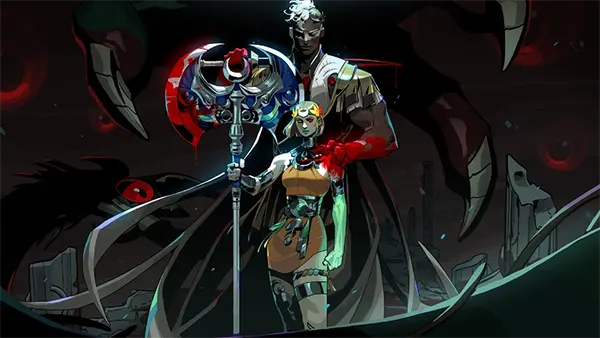
Melinoë is not Zagreus with a new coat of paint. Where Zagreus felt like an impulsive rebel, Melinoë is defined by discipline and intent. Her character fits the game’s more strategic identity: she feels like someone trained for a mission, not someone improvising an escape. This difference impacts not only story tone but also how players interpret progress — each run feels purposeful rather than purely defiant.
The writing supports this shift well. Relationships don’t simply exist to provide charm or fan-service; they develop through shared conflict and competing priorities. That makes emotional beats feel earned, particularly because the game doesn’t rush intimacy or resolution. In practice, it gives players the same addictive “just one more run” motivation, but with a mood that leans less mischievous and more determined.
As of 2026, many players view Melinoë as one of the strongest sequel protagonists in the genre because she allows the game to explore new themes without discarding the personality-driven style that defines Supergiant. The sequel’s expectations were largely about quality, but Melinoë helped expand the series’ identity in a way that feels natural rather than forced.
What Changed: Combat, Progression, and the Structure of Runs
One of the biggest differences is how builds unfold. While the original Hades often pushed players towards rapid power spikes, Hades II tends to reward layered synergies. This means the “best” builds are not always obvious early in a run, and players can recover from a weak start if they make smart choices over time. That design encourages adaptation — a skill that keeps the game engaging even after you learn the basics.
Progression also feels more like a long-term project. The sequel places heavier emphasis on meta-progression systems and unlocks, which can make the early hours slightly more demanding than the first game. However, this design choice helps the game sustain interest beyond the initial honeymoon phase. In 2026, that matters: players expect roguelites not only to be fun for 20 hours, but to hold up for 80–100 hours without feeling repetitive.
The structure of runs is broader, and the game introduces more variety in encounters and planning. That does not automatically make it better — some players prefer the tighter simplicity of the first Hades. But in terms of sequel logic, it’s a strong decision: it gives returning players meaningful novelty while preserving the core flow that made the original addictive.
Is the Game Fairer or Harder Than Hades?
In a practical sense, Hades II can feel harder early on because players are learning a new rhythm. Certain encounters punish careless movement more than in the original, and some enemy patterns are designed to discourage constant dashing. That doesn’t mean the game is unfair — but it does demand a more thoughtful approach, which can surprise players coming in with “muscle memory” from the first title.
As you progress, the difficulty curve becomes more readable. Once upgrades and systems open up, the game offers more tools for stability, meaning you can build consistency without needing perfect execution. The result is a challenge that feels more structured: you improve because you understand systems, not only because you’ve memorised enemy behaviour.
By 2026, the consensus among many critics and long-time roguelite fans is that Hades II is not simply “harder” — it’s more strategic. Whether that is an improvement depends on what you loved about the original. If you enjoyed speed and improvisation, the sequel can feel heavier. If you enjoyed synergy-building and mastery, it can feel deeper and more rewarding.
Was the Hype Justified in 2026? A Balanced Verdict
The short answer is that Hades II did what many sequels fail to do: it respected its predecessor without copying it. The game is clearly made by a team that understood why the first title mattered, yet still chose to take risks in structure, pacing, and tone. That is not always the safest decision commercially, but it is often the right one creatively — and it shows in how the sequel maintains long-term engagement.
In terms of craftsmanship, the expectations were justified. Supergiant maintained quality in combat responsiveness, art direction, music, and character writing, which are the four pillars that made the original so distinctive. Where sequels often expand content but dilute identity, Hades II expands content while keeping the personality and clarity that define the studio’s work.
That said, the sequel is not universally “better”. Some players genuinely prefer the compact, slightly cleaner feeling of the first game. Hades II is bigger and more layered, and that can reduce the elegance that made the first title feel instantly readable. Still, judged as a sequel — not just a repeat — it largely earns its reputation and proves that the original wasn’t a one-off success.
Who Will Enjoy Hades II Most (and Who Might Not)
Hades II is especially strong for players who enjoy long-term build experimentation, deeper progression systems, and a story that unfolds through consistent play. If you are the kind of player who wants to understand how mechanics connect — rather than just reacting quickly — the sequel gives more room for that style of mastery.
Players who loved the first game primarily for its speed and simplicity may need time to adjust. The sequel asks you to slow down in certain moments, read attacks more carefully, and treat your abilities as tools to manage the battlefield rather than pure damage engines. That can feel less immediate, but it can also feel more satisfying once you adapt.
As of 2026, the overall verdict is clear: the expectations were justified because the sequel delivers a complete, high-quality game with its own identity. It does not replace the first Hades, but it stands beside it — and for many players, that is exactly what a sequel should achieve.